Personal project · AI-assisted research workflow
Thinking Partner
A research workspace that keeps questions, evidence and revisions connected, even when I change direction.
- My role
- Workflow design & implementation
- Workspace
- Markdown / Obsidian
- Workflows
- Explore · Check · Write · Review
- Stage
- Experimental v1
Keep the reasoning, not just the answer
A long conversation can contain a useful question, a source, a disagreement and a change of mind. Finding how they connect later is another problem. I built Thinking Partner to give that work a place outside the conversation.
The idea is to keep a question open long enough to explore it properly. Different directions remain visible, claims stay attached to their evidence, and revisions leave a trace. It is a tool for working through a subject, with AI assistance and room for my own judgment.
Choose a direction, then come back
An exploration starts with the question and a map of possible directions. I can select several, add a comment to one branch, suggest another interpretation or leave part of the work for later. An independent omission check is designed to look for angles the initial map missed.
Those choices are saved. Pausing, redirecting the investigation or switching towards a draft preserves earlier evidence and unanswered paths. A new direction archives the previous research round and marks the old synthesis as superseded, so it cannot silently pass for the latest conclusion.
Make an assertion inspectable
The claim ledger distinguishes factual assertions, interpretations, hypotheses and values. Each source can be linked to the claim it supports, with a locator, access information and an audit record. Reading an abstract is recorded as abstract-only access; it does not become a claim to have checked the full paper.
Initial contributions can be committed before researchers exchange positions. Later disagreements, concessions and revisions remain visible. When a claim or its evidence changes, the previous audit becomes stale and needs checking again.
From a question to a draft
- Map — Record the question, select branches and keep unresolved directions visible.
- Check — Connect claims to sources, inspect support and record what changed.
- Write — Reuse current audited material, then review the argument and its limits.
Write without losing the source
The four workflows cover exploration, fact-checking, writing and review. A draft can reuse exact factual passages from audited claims through locked text spans. Changing their meaning requires another audit. Reports and drafts are versioned alongside the research.
That guard protects a precise passage, not every implication in the surrounding prose. The review workflow therefore separates argument, factual support, style, audience and the strongest opposing case. The available role profiles are a menu: only the perspectives useful to the question should run.
A small implementation I can inspect
I kept the implementation close to the tools I already use: dependency-free Node scripts, a structured JSON state and linked Markdown views. Home, Map, Claims, Evidence, Debate, Sources and Synthesis let me move from an overview to the supporting detail in Obsidian, without a custom plugin.
The v1 extension snapshots an existing topic before adding its new state. Repeated requests have replay protection, and generated-note edit checks flag manual changes that need reconciliation. Codex supplies the model runtime and agent orchestration; Obsidian is the note interface. My work here is the workflow, persistence and checks around those tools.
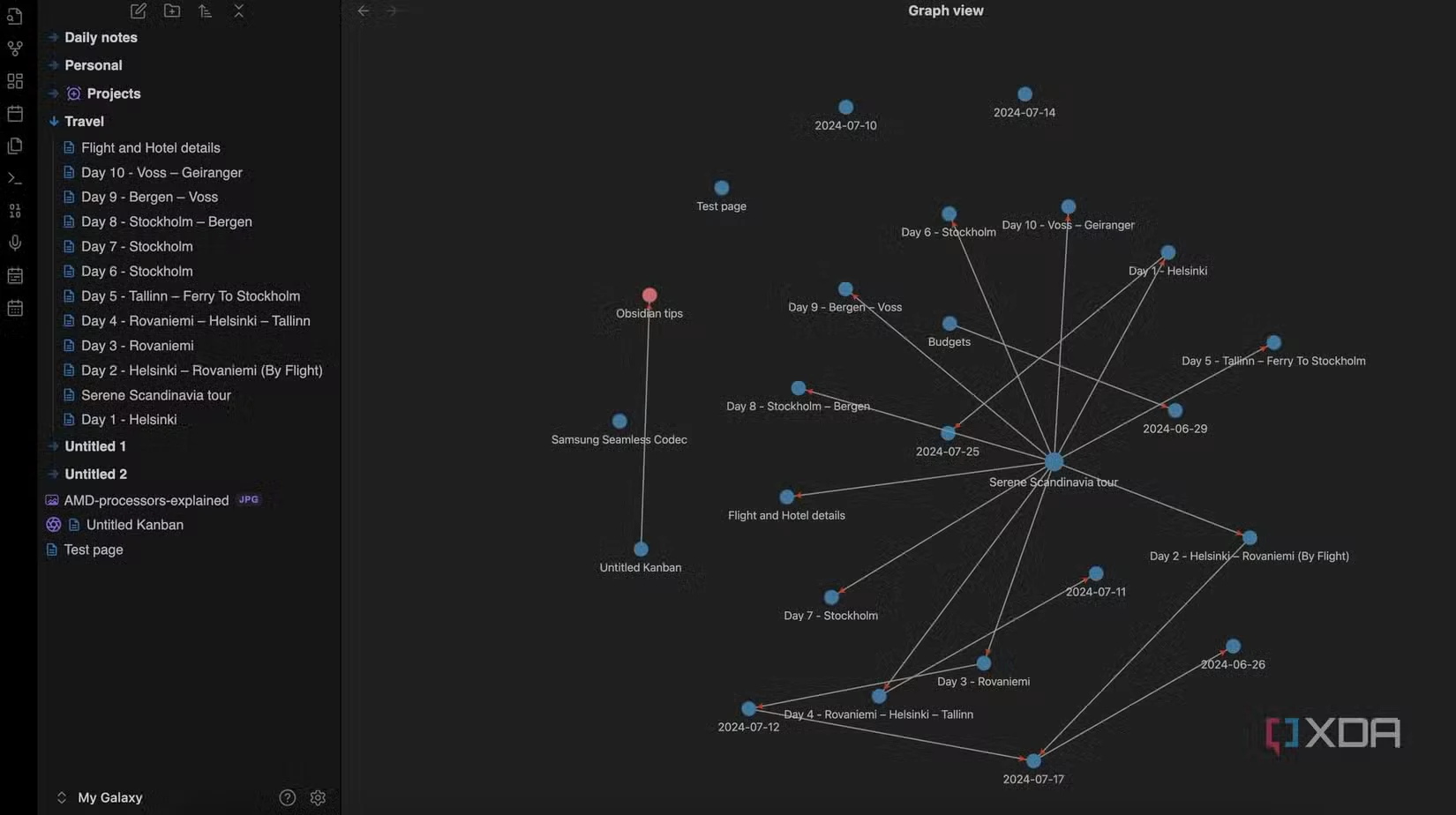
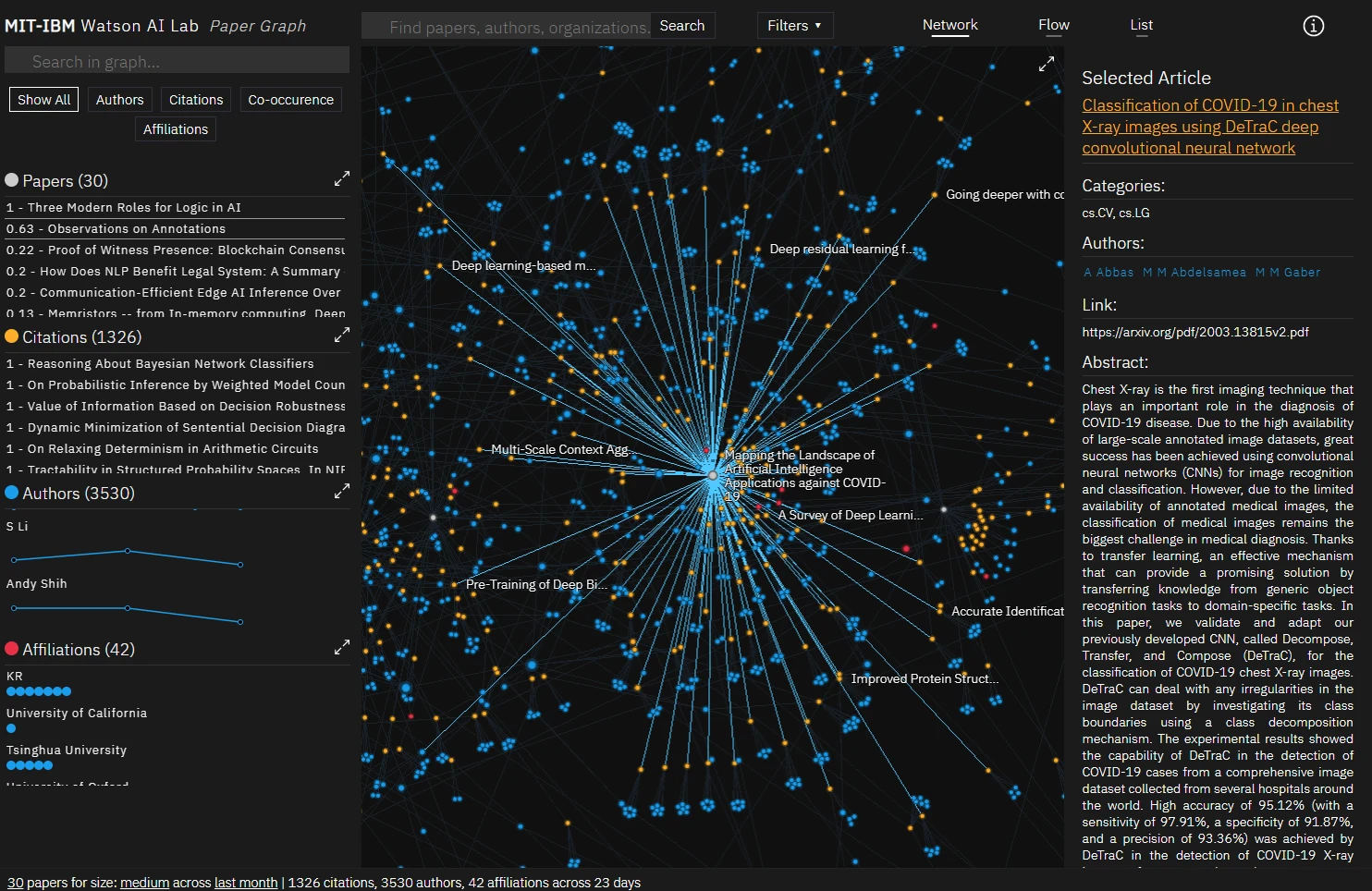
In Obsidian’s graph view, each dot represents a note and each line a link between notes. A small map makes those connections easy to follow. As a vault grows, its graph can reveal clusters and bridges between subjects, although the number of connections says little about the strength of the evidence.
The simple graph shown here is an external Obsidian example. The denser MIT-IBM Paper Graph image illustrates a broader network of research relationships. Neither is a screenshot or output of Thinking Partner. This prototype organizes individual explorations and their evidence; it does not implement a global knowledge graph.

What is tested, and what is still open
The recorded v1 implementation run passed 31 deterministic tests with no failures. These cover storage and workflow behavior, including pause/resume, stale results, evidence-access distinctions, snapshots and generated-note protection. A separate synthetic demonstration produces the linked notes and session history.
Those checks establish that the mechanics behave as expected. They do not establish that the research is accurate, the perspectives are genuinely independent or the final argument is useful. A live pilot across two topics remains the next quality check. I have no measured accuracy gain, time saving or reliable development-hour total to report.
- Tests passed · recorded v1 run
- 31
- Failures · same run
- 0